Introduction
Lung infections are among the most common respiratory health concerns worldwide. Whether it’s a seasonal cold that turns into bronchitis or a more serious case of pneumonia, lung infections can significantly affect your breathing, energy levels, and overall well-being. These infections range from mild to life-threatening and can impact anyone—though children, the elderly, and individuals with compromised immune systems are at higher risk.
Understanding what causes lung infections and how to treat them can help you identify symptoms early, seek the right care, and prevent complications. In this article, we’ll explore the most common causes, types, symptoms, risk factors, and effective treatment options for lung infections.
Primary keyword: what causes lung infections
Secondary keywords: lung infection treatment, symptoms of lung infection, types of lung infections, respiratory infection causes, how to treat lung infection
1. What Is a Lung Infection?
A lung infection occurs when bacteria, viruses, fungi, or other harmful pathogens invade the lung tissue or airways. These infections can affect different parts of the respiratory system, including:
- Bronchi (bronchitis)
- Alveoli (pneumonia)
- Lung lining (pleurisy)
Lung infections may be classified as upper respiratory infections (e.g., sinusitis or the common cold) or lower respiratory infections (e.g., bronchitis, pneumonia). The latter are generally more serious.
2. What Causes Lung Infections?
There are several different causes of lung infections, each linked to a specific type of pathogen or risk factor. Understanding the root cause is key to choosing the appropriate treatment.
🦠 1. Viruses
The most common cause of lung infections. Viral infections include:
- Influenza (flu)
- Respiratory syncytial virus (RSV)
- Coronaviruses (including COVID-19)
- Rhinovirus (common cold)
These viruses attack the respiratory tract and can lead to viral bronchitis or viral pneumonia, especially in vulnerable individuals.
🧫 2. Bacteria
Bacterial lung infections are typically more severe and often follow a viral infection. Common bacterial culprits include:
- Streptococcus pneumoniae
- Haemophilus influenzae
- Mycoplasma pneumoniae
These are often responsible for bacterial pneumonia, which can cause fever, chest pain, and breathing difficulty.
🍄 3. Fungi
Fungal lung infections are less common and mostly occur in people with weakened immune systems (e.g., those undergoing chemotherapy or living with HIV/AIDS).
- Common fungi include Aspergillus and Histoplasma
🔄 4. Secondary Infections
Lung infections can also arise as a complication of other illnesses, such as:
- Chronic obstructive pulmonary disease (COPD)
- Asthma
- Diabetes
- Post-surgery recovery (hospital-acquired infections)
3. Symptoms of a Lung Infection
Recognizing the symptoms early is critical. Common signs of a lung infection include:
- Persistent cough (dry or with phlegm)
- Fever and chills
- Shortness of breath or wheezing
- Chest pain or discomfort when breathing
- Fatigue or weakness
- Headache and body aches
- Loss of appetite
In more severe cases—especially in the elderly or immunocompromised—lung infections can lead to confusion, low oxygen levels, and hospitalization.
4. Types of Lung Infections
Here are the most common types of lung infections:
🌬️ 1. Bronchitis
- Inflammation of the bronchial tubes
- Usually caused by viruses
- Symptoms include a persistent cough, mucus production, and slight fever
🫁 2. Pneumonia
- Infection of the air sacs in one or both lungs
- Can be caused by bacteria, viruses, or fungi
- Can range from mild to life-threatening
😮💨 3. Tuberculosis (TB)
- Caused by Mycobacterium tuberculosis
- Chronic and contagious
- Common in developing countries or among immunocompromised individuals
🤧 4. RSV or Flu-Related Infections
- Particularly dangerous in infants and the elderly
- Can develop into pneumonia
5. Risk Factors for Lung Infections
Some people are more prone to lung infections due to the following factors:
- Age: Children under 5 and adults over 65
- Weakened Immune System: From medications, diseases, or chemotherapy
- Smoking: Damages lung tissue and reduces immune function
- Chronic Conditions: Asthma, COPD, diabetes, heart disease
- Poor Hygiene or Living Conditions: Overcrowded or poorly ventilated areas
- Recent Illness or Surgery: Especially with extended hospital stays
6. How Are Lung Infections Diagnosed?
To confirm a lung infection, a healthcare provider may use:
- Physical examination: Listening to your lungs with a stethoscope
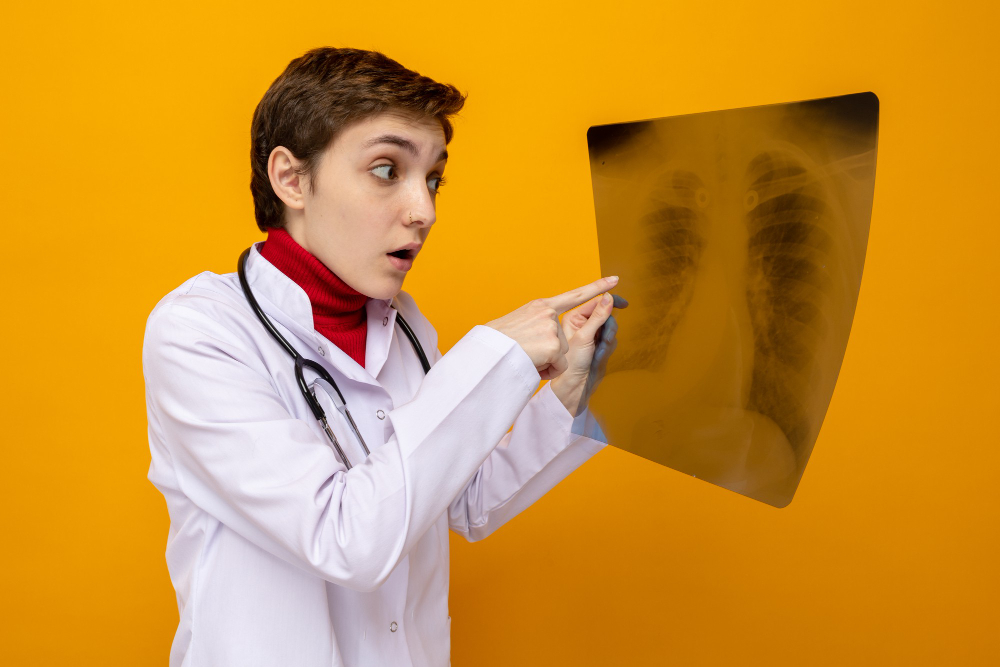
- Chest X-ray: To detect pneumonia or fluid in the lungs
- Blood tests: To identify infection type
- Sputum sample: To test for bacteria or fungi
- Pulse oximeter: To check blood oxygen levels
Early and accurate diagnosis is essential to prevent complications.
7. Lung Infection Treatment Options
The treatment for lung infections depends on the cause and severity of the condition.
💊 1. Viral Infections
- Treated with rest, hydration, and antiviral medications (in some cases)
- Over-the-counter medications may reduce symptoms (e.g., fever reducers, cough suppressants)
💉 2. Bacterial Infections
- Require antibiotics prescribed by a doctor
- Important to complete the full course to prevent resistance
🌿 3. Fungal Infections
- Treated with antifungal medications
- May require long-term therapy in chronic cases
🏥 4. Hospitalization
For severe cases, hospitalization may be necessary, including:
- Oxygen therapy
- IV fluids and medications
- Breathing support (e.g., nebulizers or ventilators)
8. Home Remedies and Supportive Care
In addition to medical treatment, these tips can aid recovery:
- Stay hydrated to thin mucus
- Get plenty of rest
- Use a humidifier to ease breathing
- Avoid smoking and polluted environments
- Eat nutritious foods to support immunity
9. Prevention Tips
Preventing lung infections is possible with these steps:
- Get vaccinated: Flu shot, COVID-19 vaccine, pneumonia vaccine
- Practice good hygiene: Wash hands, wear masks in crowded places
- Stop smoking: Reduces lung damage
- Boost your immune system: Regular exercise, adequate sleep, and healthy eating
- Manage chronic illnesses properly
Conclusion
Lung infections are common but potentially serious conditions that can affect people of all ages. Whether caused by viruses, bacteria, or fungi, early detection and proper treatment are essential for a full recovery. By understanding what causes lung infections and the available treatment options, you can take proactive steps to protect your respiratory health.
From practicing prevention and recognizing symptoms to seeking timely medical care, managing a lung infection is entirely possible with the right knowledge and support. Don’t ignore persistent coughs or fevers—your lungs are vital, and taking care of them is one of the most important things you can do for your overall health.